What Items Can Be Recycled from Home Appliances: A Comprehensive List
JG
Recycling home appliances is an essential step in reducing waste and conserving valuable resources. Many components found in household devices can be repurposed or recycled, contributing to a more sustainable environment. Understanding what can be recycled is the first step in this process.
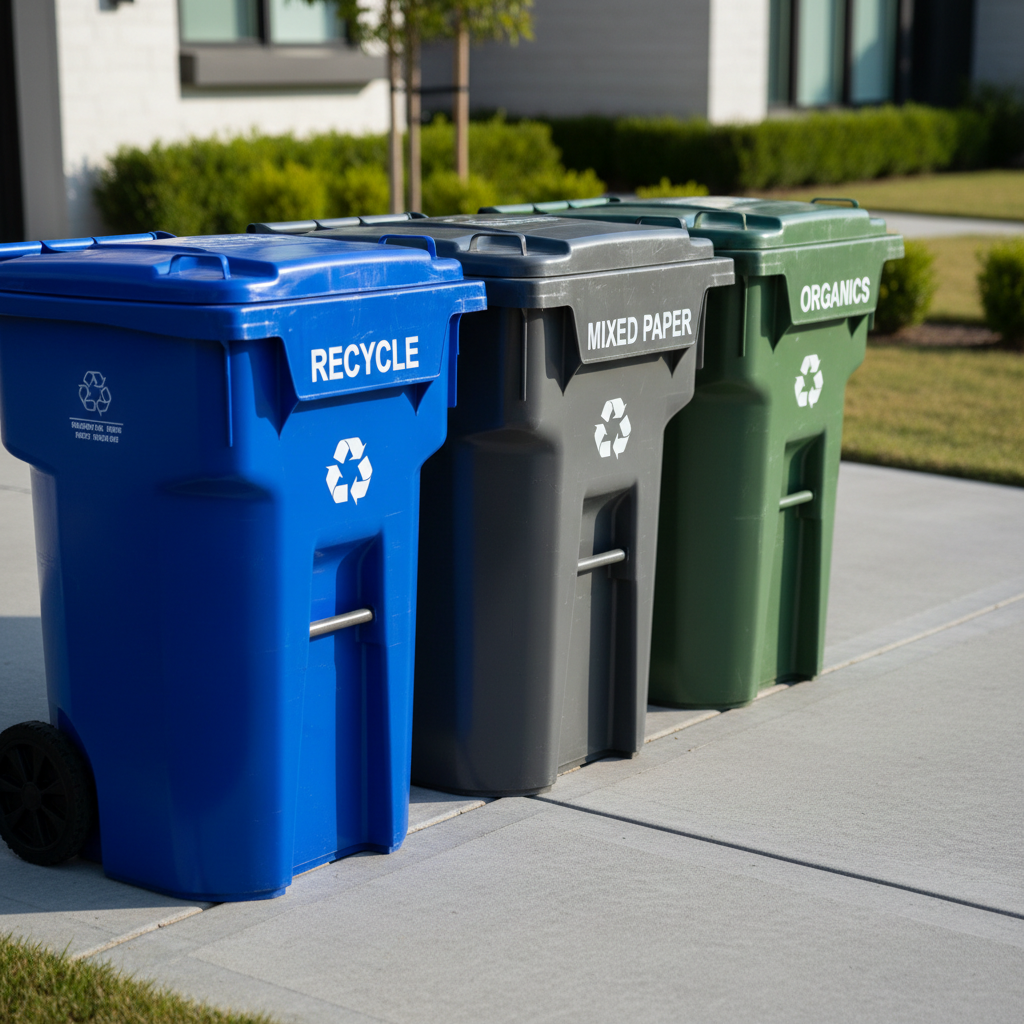
Commonly Recycled Appliance Parts
Most home appliances contain materials that are easily recyclable. Some of the most common parts include:
- Metals: Appliances often contain valuable metals such as steel, aluminum, and copper. These can be melted down and reused in new products.
- Plastics: Many appliances have plastic components that can be recycled. However, it's essential to ensure they are clean and free from any electronic components.
- Glass: Appliances like ovens and microwaves may have glass parts that can be recycled if properly separated.
These materials are not only recyclable but are also in high demand in the manufacturing industry.
Recycling Electronic Components
Many home appliances contain electronic components that require special handling for recycling. These include:
- Circuit Boards: Found in almost every electronic appliance, circuit boards contain metals and materials that can be recycled.
- Batteries: Rechargeable batteries in appliances like cordless vacuums can be recycled but need to be disposed of at specific collection points.
- Cables and Wires: These often contain copper, which can be stripped and recycled.
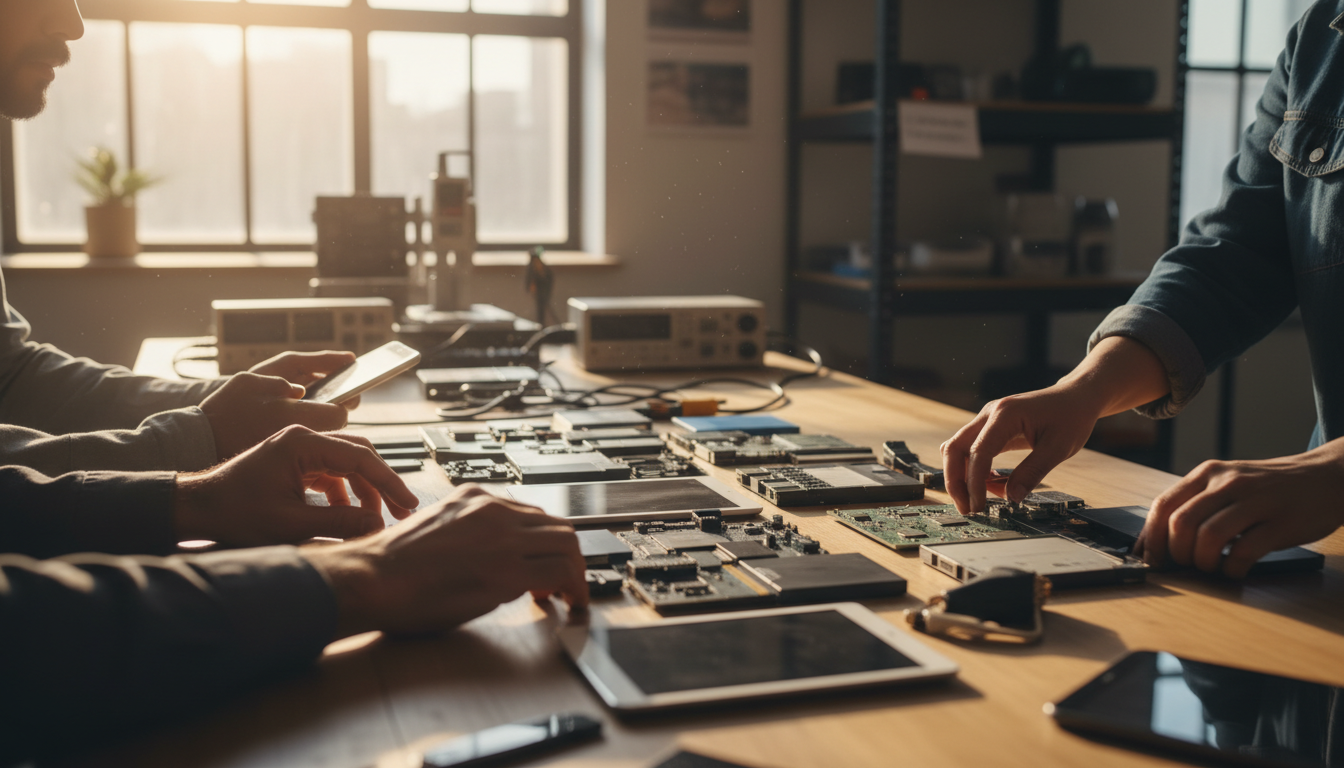
Proper disposal of these components is crucial to prevent environmental contamination.
Appliances with Special Considerations
Some appliances require special attention when it comes to recycling due to their size or contents:
Refrigerators and Freezers
These appliances need to be handled carefully due to the refrigerants they contain. It's vital to ensure that refrigerants are properly removed by professionals before recycling the metal and plastic components.
Microwaves
Microwaves have electronic and metal parts that can be recycled, but the magnetron and other components may require special handling.
Where to Recycle Your Appliances
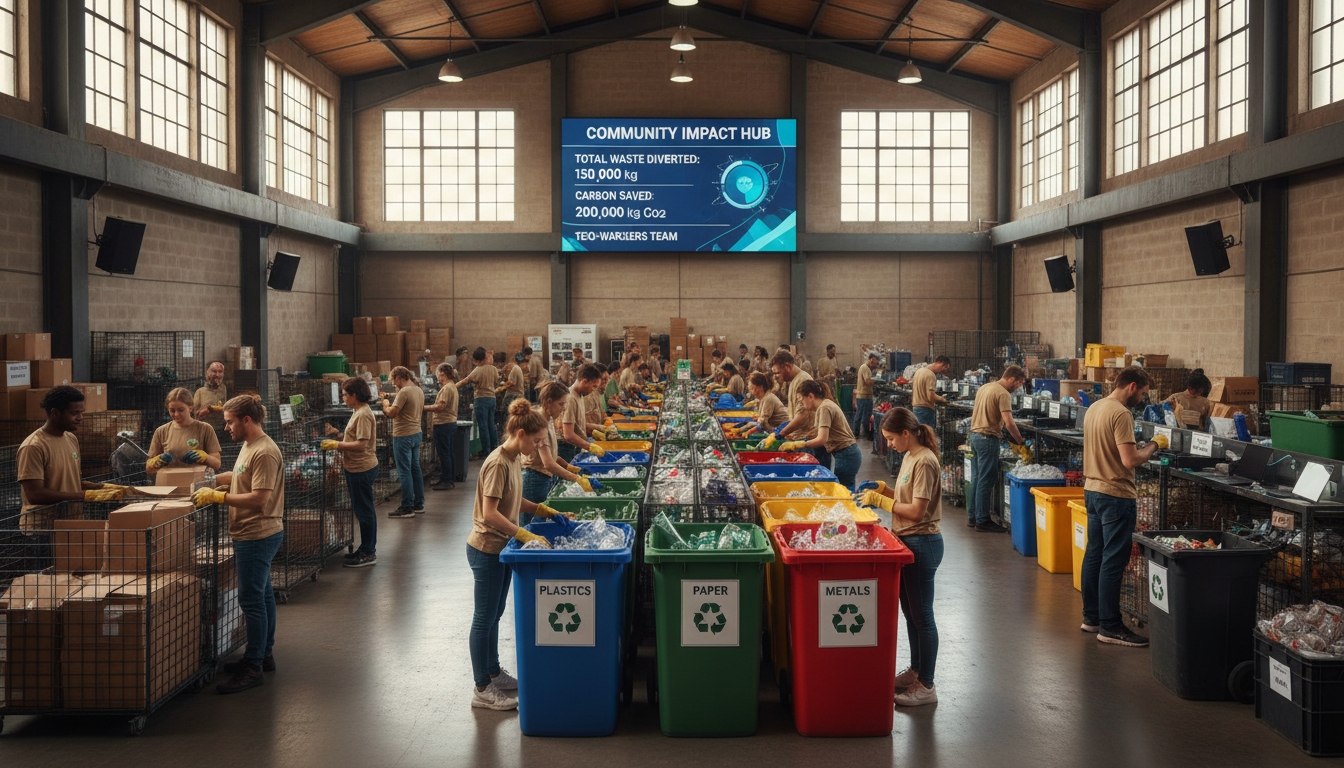
Recycling centers and programs often have specific guidelines for appliance recycling. Some useful steps include:
- Check with local recycling programs to see what appliances they accept.
- Contact the manufacturer for take-back programs.
- Look for community recycling events.
These options not only help in proper recycling but also often offer convenient pickup services.
Benefits of Recycling Appliances
Recycling home appliances offers numerous benefits, including:
- Resource Conservation: Recycled materials reduce the need to extract new raw materials.
- Energy Savings: Recycling often uses less energy compared to producing new products from raw materials.
- Environmental Protection: Proper recycling prevents hazardous materials from polluting the environment.
By recycling effectively, you contribute to a healthier planet and a more sustainable future.