What Items Can Be Recycled from Home Appliances? A Comprehensive Guide
JG
Understanding Home Appliance Recycling
Recycling home appliances is a crucial step towards reducing waste and conserving resources. Many components within these items can be repurposed or recycled, helping to minimize environmental impact. However, knowing what parts of your appliances can be recycled is essential for effective recycling.
Metal Components
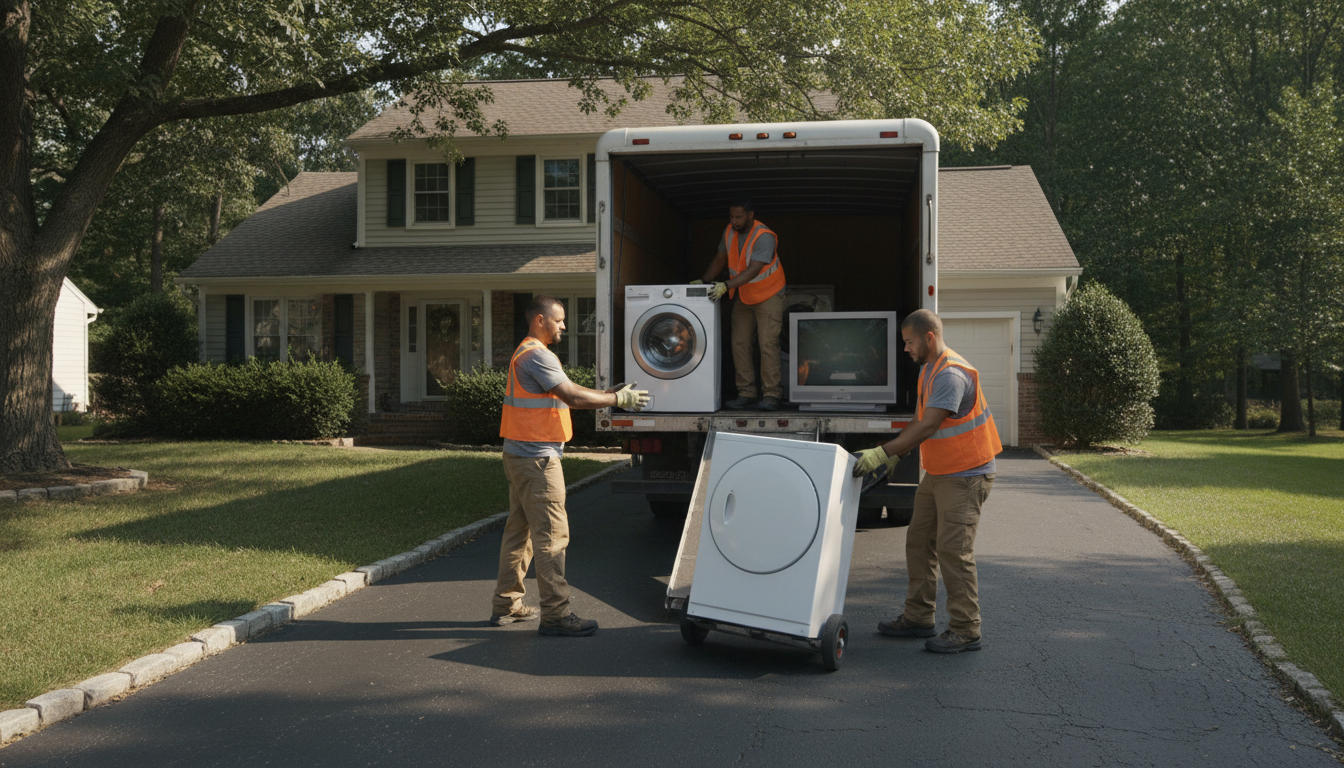
Most home appliances contain a significant amount of metal, making them highly recyclable. Metals such as steel, aluminum, and copper are commonly found in appliances like refrigerators, washing machines, and microwaves. These metals can be melted down and reused in new products, reducing the need for virgin materials.
Plastic Parts
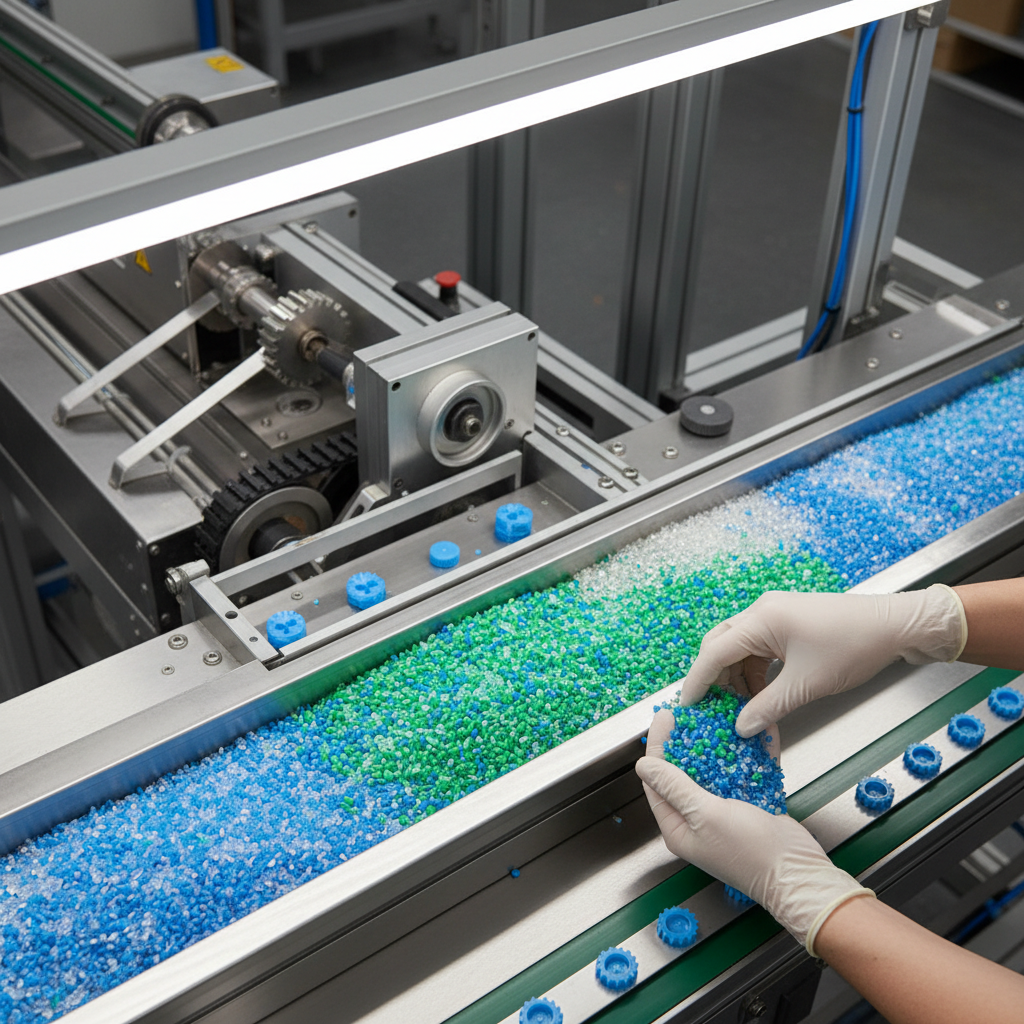
Many appliances feature plastic components. It's important to sort these plastics properly, as not all types can be recycled. Check for recycling symbols and numbers on the plastic to determine its recyclability. Commonly recycled plastics include those labeled with numbers 1 and 2.
Electronic Components
Appliances often contain electronic parts such as circuit boards and wiring. These components can contain valuable materials like gold, silver, and palladium. Specialized recycling centers can extract these materials for reuse, ensuring that precious resources are not wasted.
Glass Elements
Some appliances, such as ovens and microwaves, have glass components. Glass is highly recyclable and can be melted down to create new glass products. Ensure that the glass is clean and free from any contaminants before recycling.
Foam Insulation
Appliances like refrigerators and freezers often contain foam insulation. While this material can be more challenging to recycle, some facilities specialize in converting foam into new products. It's crucial to check with local recycling centers to see if they accept foam insulation.
What Cannot Be Recycled?
While many parts of home appliances can be recycled, some components cannot. Items such as rubber seals, contaminated plastics, and certain electronic parts may not be recyclable. Always check with your local recycling program to understand what can and cannot be processed.
Disposing of Non-Recyclable Parts
If certain components can't be recycled, consider alternative disposal methods. Some companies offer take-back programs where they responsibly dispose of or recycle parts of your old appliances. Donating functional appliances to charities or resale shops is another way to ensure they don’t end up in landfills.
Conclusion
Recycling home appliances is an effective way to contribute to environmental sustainability. By understanding which parts can be recycled and how to properly dispose of others, you help conserve resources and reduce waste. Remember to check local recycling guidelines for specific instructions and opportunities in your area.