Understanding Local Regulations for Waste Disposal in Manchester
JG
Understanding Local Regulations for Waste Disposal in Manchester
Proper waste disposal is crucial for maintaining a clean and safe environment. In Manchester, local regulations govern how waste should be handled, ensuring that both residents and businesses adhere to environmentally responsible practices. Understanding these regulations is essential for compliance and environmental stewardship.
The Manchester City Council has established guidelines that specify how different types of waste should be disposed of. These rules are designed to promote recycling and reduce landfill usage. It's important for everyone in the area to be aware of these regulations to avoid fines and contribute positively to the community.
Residential Waste Disposal
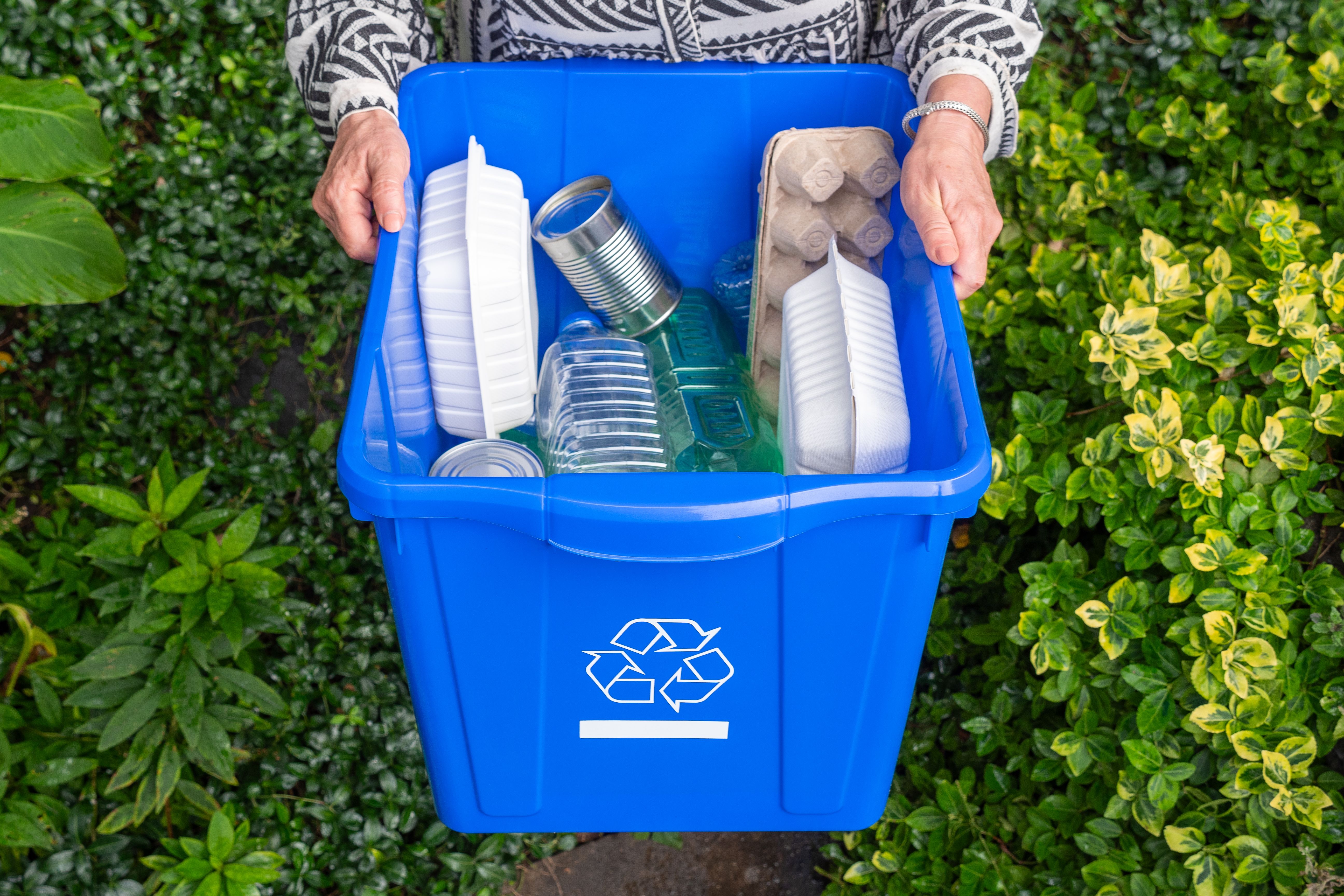
For residents, waste disposal involves separating waste into various categories such as recyclables, general waste, and garden waste. The city provides specific bins for each type of waste to facilitate this process. Recycling is strongly encouraged, with items such as paper, cardboard, glass, and certain plastics being collected separately.
Collection schedules are provided to residents, indicating when each type of waste will be picked up. It's crucial to adhere to these schedules to ensure efficient waste management. Failure to comply with the regulations, such as placing incorrect items in recycling bins, may result in penalties.
Business Waste Management
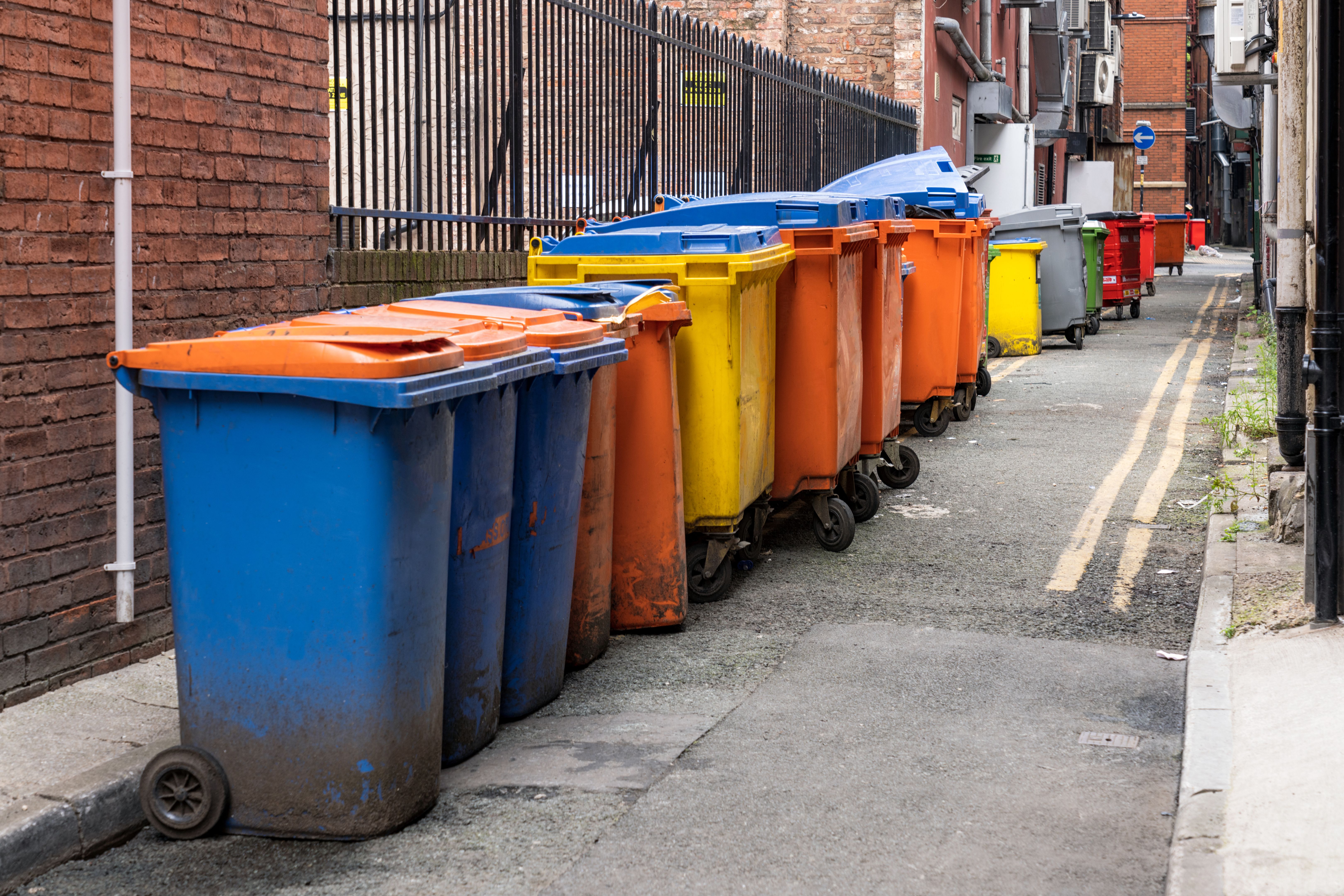
Businesses in Manchester are subject to stricter waste disposal regulations. Companies are required to manage their waste responsibly and often need to arrange for a licensed waste carrier to collect their waste. This ensures that commercial waste is disposed of legally and sustainably.
Businesses must also perform a waste audit to understand the types of waste they produce and find ways to reduce it. Implementing a waste management plan that includes recycling policies and waste reduction strategies is not just beneficial for compliance but also for reducing operational costs.

Hazardous Waste Regulations
Hazardous waste requires special attention due to its potential impact on health and the environment. In Manchester, specific regulations dictate how hazardous waste should be handled, stored, and disposed of. This includes items like chemicals, batteries, and electronic waste.
Individuals and businesses must ensure that hazardous waste is collected by authorized carriers and disposed of at designated facilities. Proper labeling and storage of hazardous materials are also crucial to prevent accidents and ensure safety.
Community Initiatives and Support
Manchester supports various community initiatives aimed at reducing waste and promoting sustainable practices. These include workshops, educational programs, and community clean-up events. Participating in these initiatives can help residents and businesses stay informed about best practices in waste management.
Additionally, the city offers resources and support for those looking to improve their waste disposal habits. This includes access to information on recycling facilities, waste reduction tips, and guidance on composting practices.

Staying informed about local waste disposal regulations not only helps avoid potential fines but also contributes to a healthier environment. By understanding and complying with these guidelines, Manchester residents and businesses can play a significant role in achieving a sustainable future for the city.