Understanding Local Regulations for Waste Disposal in Greater Manchester
JG
Introduction to Waste Disposal Regulations
Proper waste disposal is crucial for maintaining a clean and healthy environment. In Greater Manchester, understanding local regulations is essential for both residents and businesses. These regulations ensure that waste is managed effectively, reducing environmental impact and promoting sustainability.
Types of Waste and Their Disposal
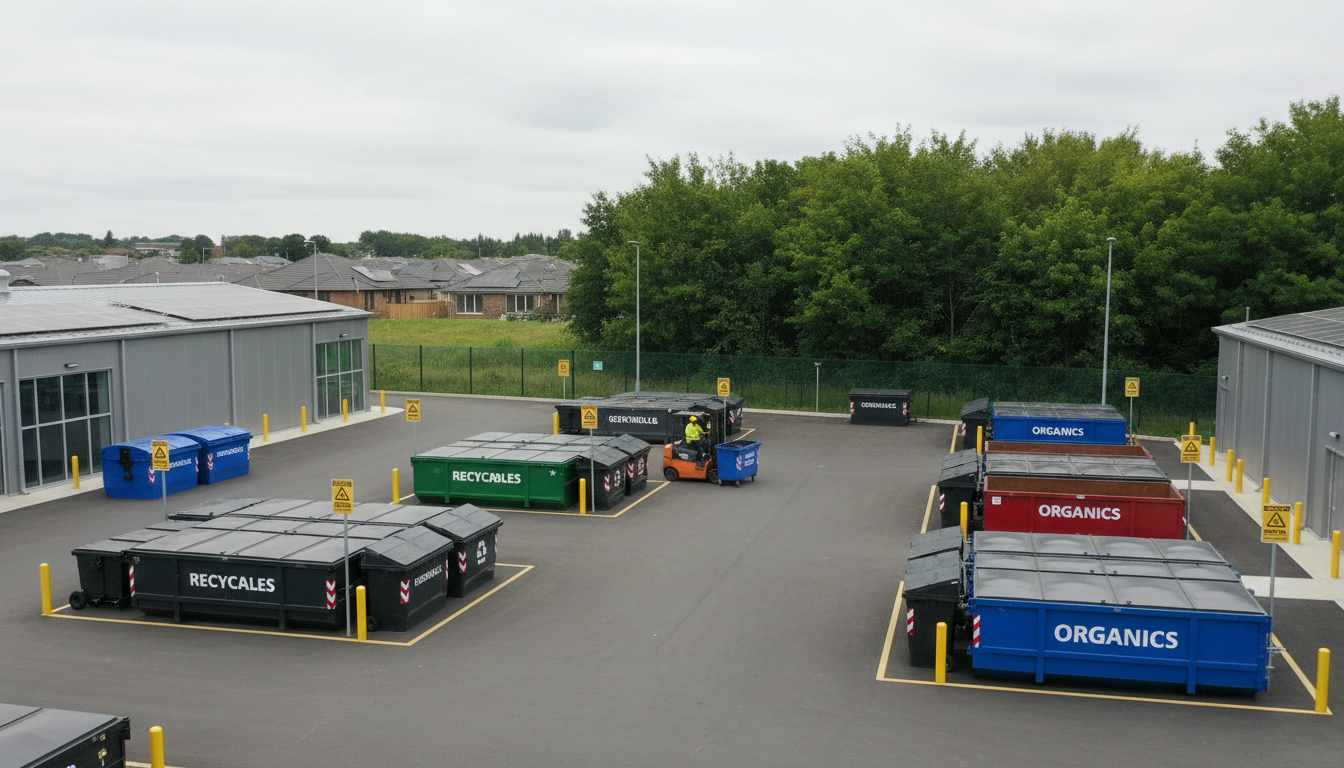
Different types of waste require different disposal methods. In Greater Manchester, waste is generally categorized into several types:
- Household waste: Includes everyday items like food scraps, packaging, and non-recyclable materials.
- Recyclable waste: Items such as paper, glass, and certain plastics that can be processed and reused.
- Hazardous waste: Includes chemicals, batteries, and other materials that require special handling.
Household Waste Regulations
For household waste, residents must adhere to weekly collection schedules. Waste should be sorted properly into designated bins to ensure efficient processing. It's important to note that failure to comply with sorting guidelines can result in fines.

Commercial Waste Management
Businesses in Greater Manchester have specific obligations when it comes to waste disposal. They must ensure that their waste is managed in accordance with local regulations, which often involves working with licensed waste carriers. Proper documentation and records of waste disposal activities are also required.
Recycling Initiatives
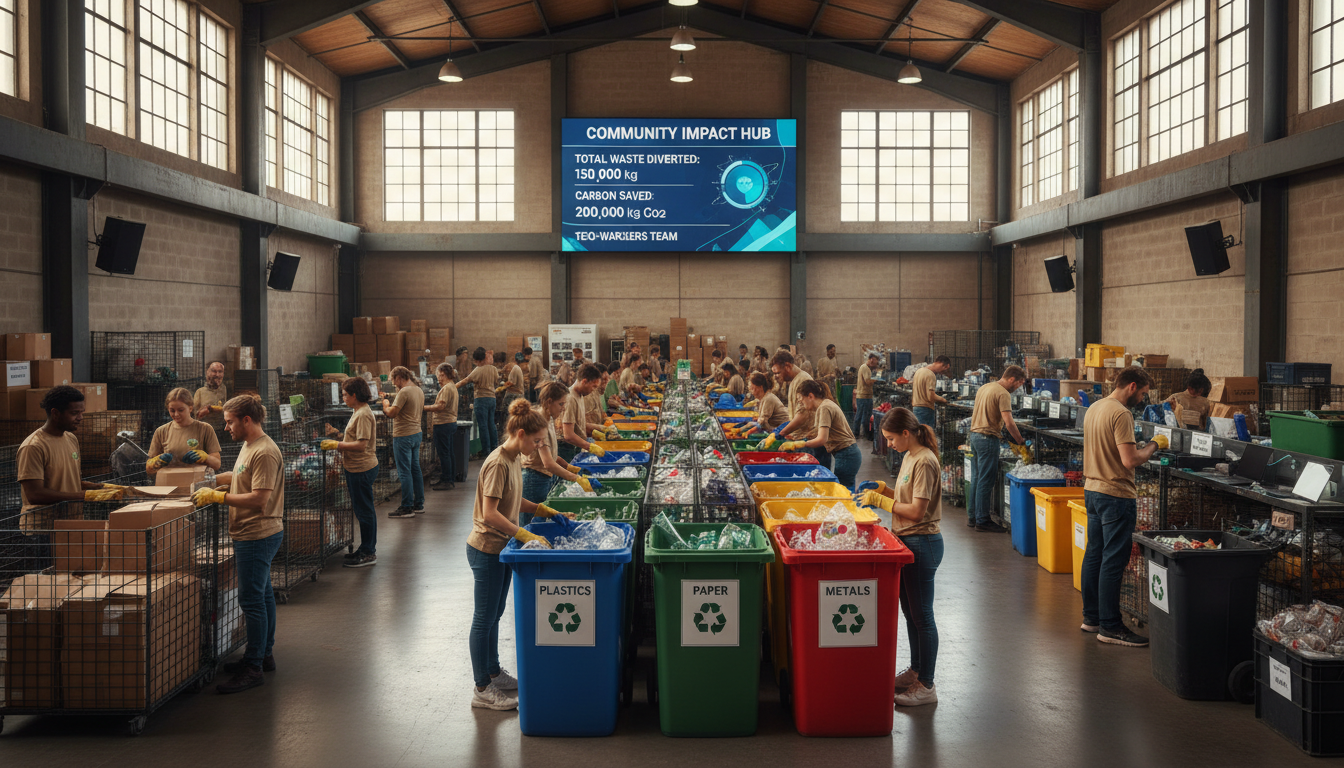
Recycling is a key focus in Greater Manchester's waste management strategy. The city encourages both residents and businesses to participate in recycling programs. Many local councils provide resources and information on how to recycle effectively.
Dealing with Hazardous Waste
Hazardous waste requires special attention due to its potential impact on health and the environment. In Greater Manchester, specific facilities handle the disposal of hazardous materials. Residents and businesses must ensure that such waste is not mixed with general waste and is taken to the appropriate centers.
Penalties for Non-Compliance
Non-compliance with waste disposal regulations can lead to significant penalties. These can include fines or even legal action, particularly for businesses that fail to manage waste responsibly. It's crucial for all parties to stay informed about current regulations and any changes that may occur.
Conclusion
Understanding and adhering to local waste disposal regulations in Greater Manchester is essential for the community's health and the environment. By following the guidelines, both residents and businesses can contribute to a cleaner, more sustainable future.