Debunking Myths About Waste Disposal: What Really Happens to Your Rubbish
JG
Introduction
Waste disposal is a topic surrounded by numerous misconceptions. Many people are unaware of what actually happens to their rubbish once it leaves the curb. In this article, we'll explore and debunk common myths about waste disposal to provide a clearer understanding of this crucial process.

Myth 1: All Waste Ends Up in Landfills
One of the most prevalent myths is that all waste is destined for landfills. While landfills do play a significant role, not all rubbish ends up there. In fact, many countries actively engage in recycling and composting efforts to reduce landfill dependency.
Recycling and Composting
Recycling programs are designed to divert materials like glass, paper, and plastics from landfills. Composting, on the other hand, transforms organic waste into nutrient-rich soil. Both processes significantly reduce the volume of waste reaching landfills.

Myth 2: Waste Disposal Is a Simple Process
Another common misconception is that waste disposal is a straightforward process. In reality, it involves complex logistics and technology to ensure proper treatment and management of different types of waste.
Sorting and Treatment
Waste is typically sorted into categories such as recyclables, organics, and hazardous materials. Each category requires specific handling and treatment processes to ensure environmental safety and compliance with regulations.

Myth 3: Incineration Is Completely Harmful
Many people believe that incineration is entirely detrimental to the environment. While it does have its drawbacks, modern incineration methods have evolved to be more environmentally friendly.
Advanced Technologies
Today, incineration plants are equipped with advanced technologies that significantly reduce emissions. These plants often generate energy from waste, providing a sustainable solution to waste management.
Myth 4: Waste Disposal Has No Impact on Climate Change
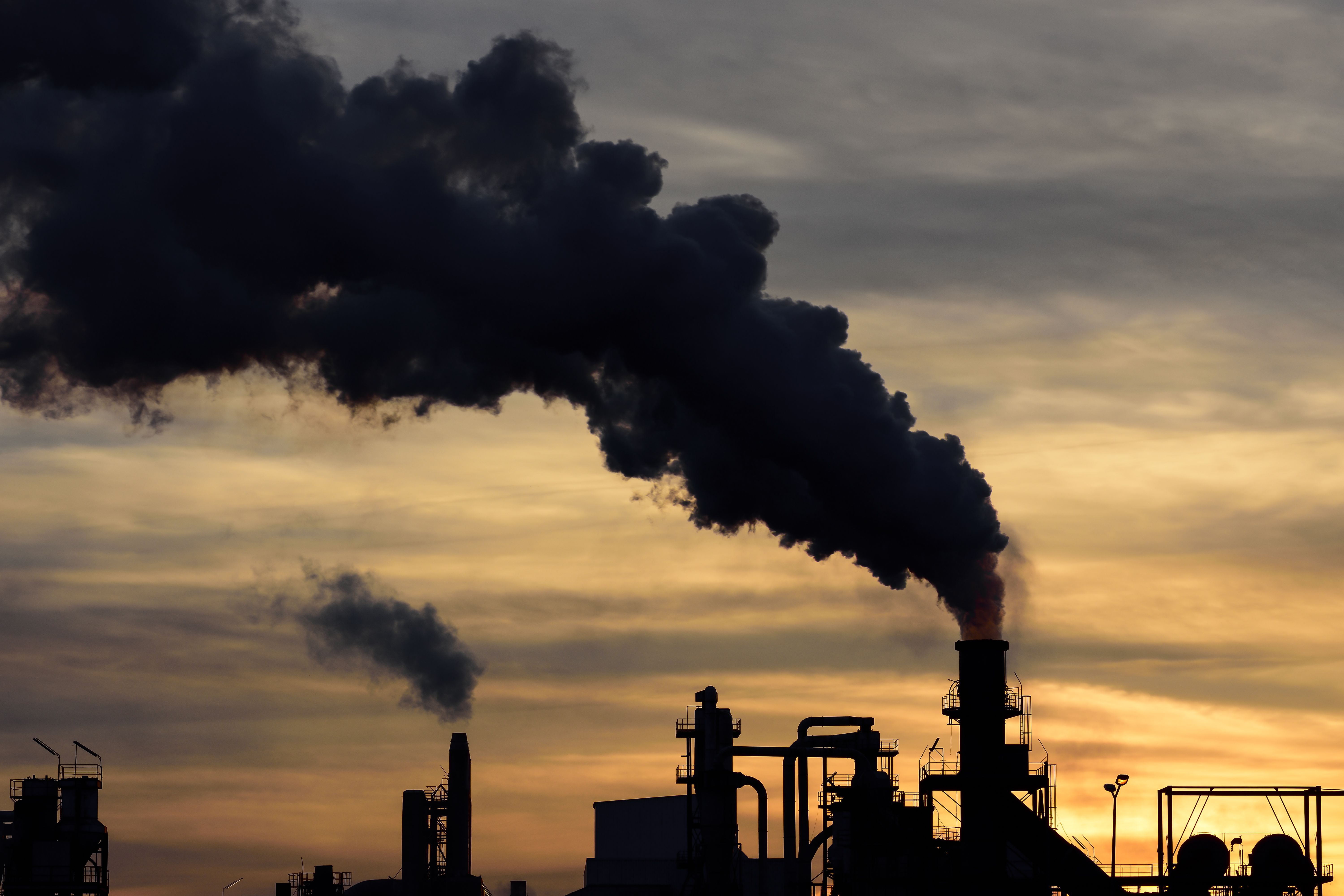
It's a common belief that waste disposal practices don’t contribute to climate change. However, improper waste management can lead to greenhouse gas emissions, particularly methane from decomposing organic waste in landfills.
Reducing Emissions
By improving waste management practices, such as increasing recycling rates and reducing landfill use, we can significantly lower emissions and mitigate climate change impacts.
Conclusion
Understanding the realities of waste disposal helps us make informed decisions about our consumption and waste generation. By debunking these myths, we can work towards more sustainable practices and contribute to a healthier planet.