Case Study: Successful Waste Clearance for Large Commercial Projects in Greater Manchester
JG
Introduction to Waste Clearance for Large Commercial Projects
Managing waste clearance for large commercial projects is a complex task that requires meticulous planning and execution. In Greater Manchester, this challenge is met by a combination of innovative strategies and experienced service providers. This case study explores the successful waste clearance of a significant commercial project in the region.
Commercial projects generate vast amounts of waste, including construction debris, hazardous materials, and general refuse. Efficient management of this waste is crucial to maintain environmental standards and project timelines.
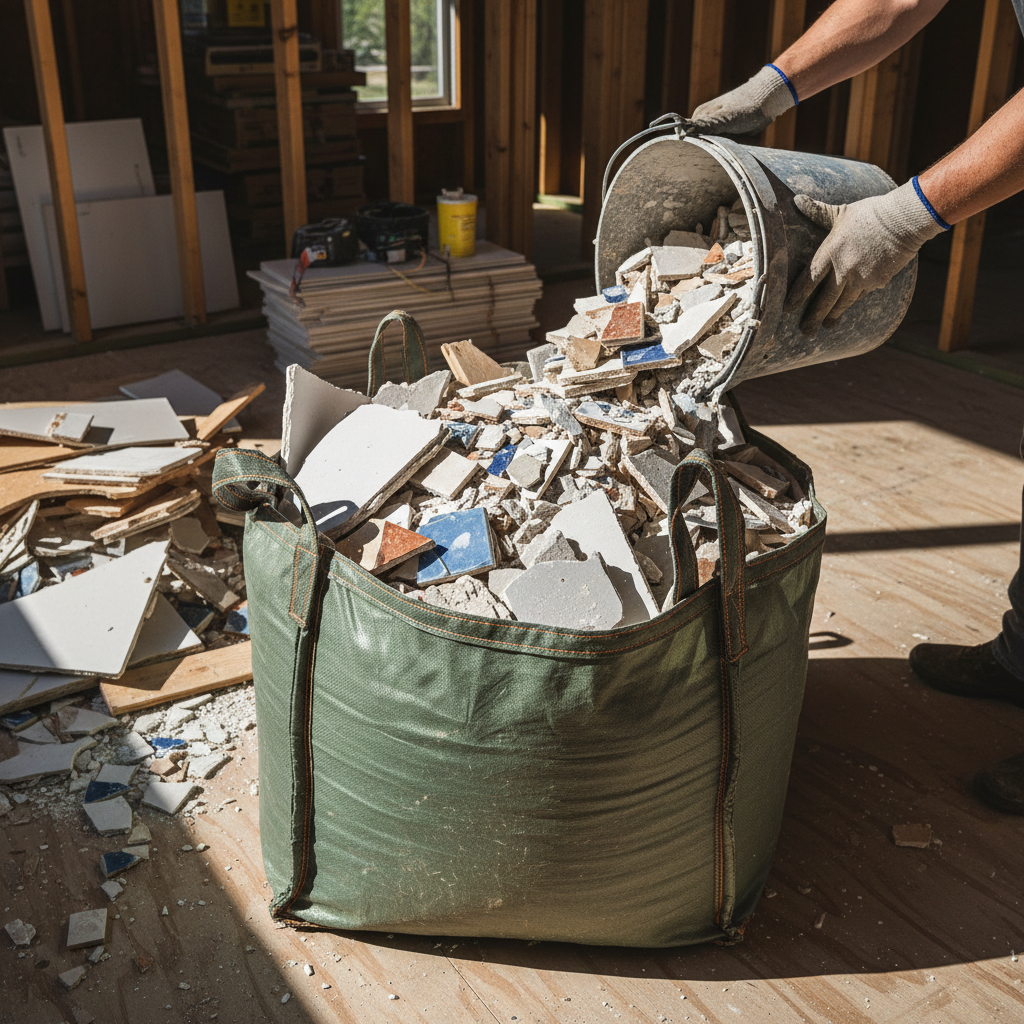
The Challenges of Large-Scale Waste Management
Large commercial projects in Greater Manchester face several challenges when it comes to waste management. Key issues include the volume of waste produced, the need for regulatory compliance, and the logistics of waste transportation and disposal.
One of the primary challenges is ensuring that all waste is sorted and disposed of in an environmentally friendly manner. This requires collaboration between contractors, waste management companies, and local authorities.
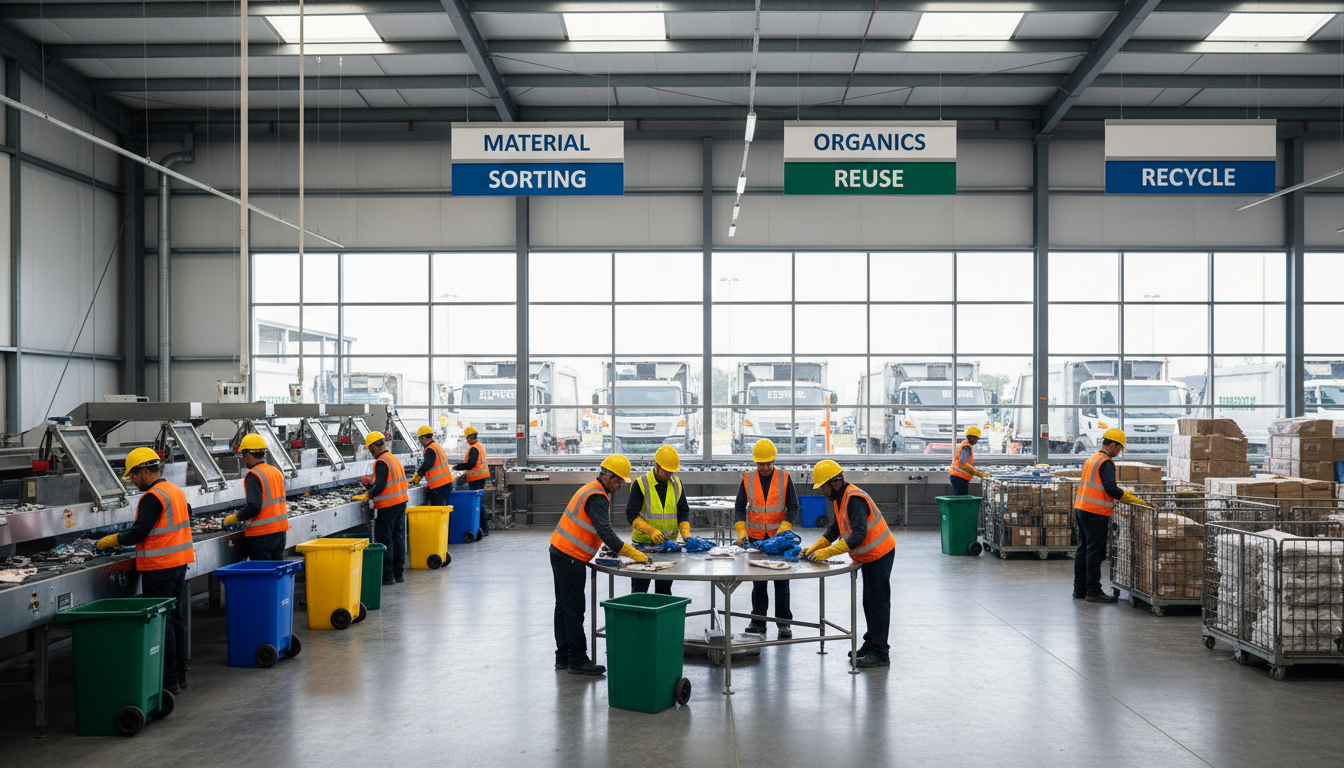
Innovative Strategies for Effective Waste Clearance
To address these challenges, project managers employ innovative strategies that focus on sustainability and efficiency. The following approaches have proven particularly effective:
- On-site Waste Sorting: Implementing systems to sort waste on-site reduces contamination and ensures more materials can be recycled.
- Use of Technology: Advanced software solutions track waste volumes and compliance, optimizing the clearance process.
- Partnerships with Local Recyclers: Collaborations with local recycling facilities enhance the sustainability of waste disposal.
These strategies help minimize the environmental impact and streamline the entire waste management process.
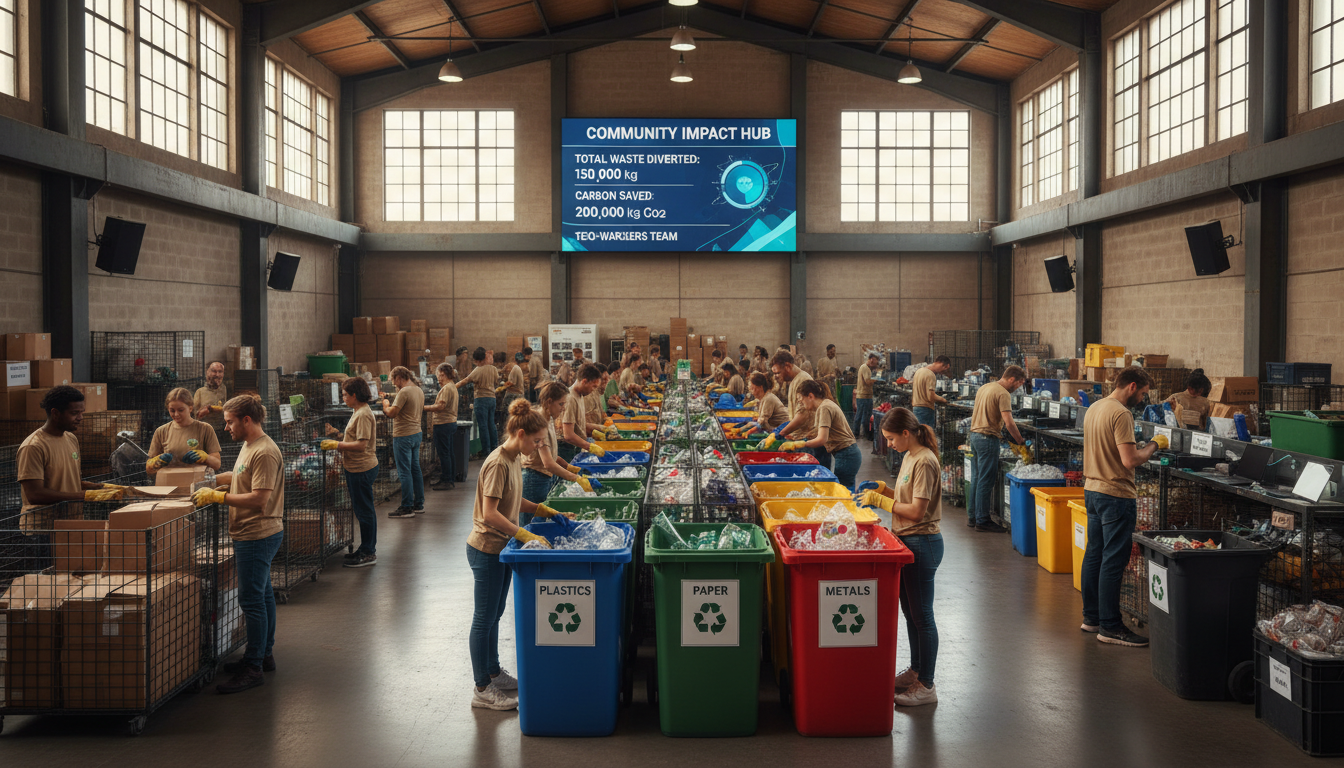
Case Study: Successful Implementation
A recent commercial development in Greater Manchester exemplifies the successful application of these strategies. The project involved the construction of a large retail complex, generating substantial waste.
By employing on-site waste sorting and partnering with local recyclers, the project team achieved a recycling rate of over 85%. This not only reduced landfill contributions but also set a benchmark for future projects in the region.
Lessons Learned and Best Practices
The success of this project offers valuable lessons for future commercial developments. Key takeaways include the importance of early planning, the role of technology in waste management, and the benefits of forming strategic partnerships.
Project managers are encouraged to integrate these best practices into their waste management plans to achieve similar success. The Greater Manchester case study serves as a model for other regions aiming to improve their waste clearance processes.

Conclusion
Effective waste clearance for large commercial projects is essential for environmental sustainability and project efficiency. By adopting innovative strategies and learning from successful case studies like the one in Greater Manchester, developers can enhance their waste management practices significantly.
As urban areas continue to expand, the importance of sustainable waste management will only grow. By staying ahead of industry trends and leveraging technology, commercial projects can contribute positively to their communities and the environment.