Case Study: Successful Electrical Waste Removal in Manchester
JG
Introduction to Electrical Waste Challenges
As technology continues to evolve, the accumulation of electrical waste has become a significant concern worldwide. In Manchester, a city known for its innovation and growth, the challenge of managing electrical waste has been met with a strategic and successful approach. This case study explores how Manchester tackled this issue to create a cleaner, more sustainable environment.
Understanding the Scope of the Problem
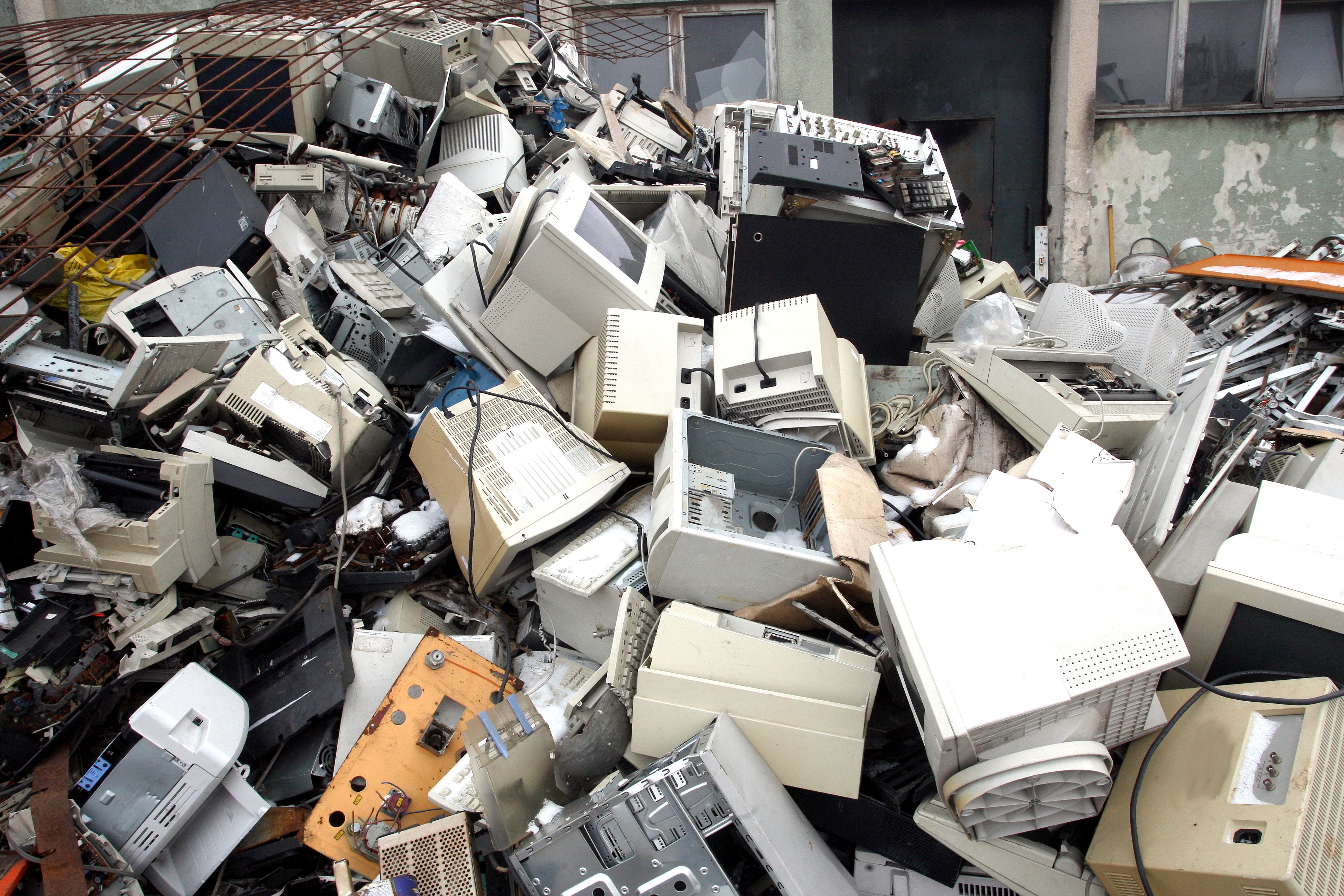
Electrical waste, or e-waste, includes a vast range of discarded electronic devices, from small gadgets to large appliances. In Manchester, the rapid technological advancement led to an increase in obsolete electronics, posing environmental and health risks if not managed properly. A comprehensive understanding of the problem's scope was essential to devise effective solutions.
Identifying Key Stakeholders
The successful management of electrical waste in Manchester involved collaboration among various stakeholders, including local government, recycling companies, businesses, and the general public. Identifying and engaging these stakeholders was a critical step in ensuring the initiative's success.

Strategic Implementation
Manchester's approach to electrical waste removal was both strategic and systematic. The city implemented a multi-faceted plan that included raising public awareness, improving collection systems, and investing in recycling technologies. These strategies worked in tandem to address the issue holistically.
Innovative Collection Systems
One of the standout features of Manchester's strategy was the introduction of innovative collection systems. Specially designed e-waste bins were placed throughout the city, making it convenient for residents to dispose of their old electronics responsibly. This initiative significantly increased the amount of e-waste collected.

Technological Advancements in Recycling
Investing in cutting-edge recycling technologies was another pivotal aspect of Manchester's success. Advanced facilities were established to process and recycle electronic components efficiently, reducing the environmental impact and recovering valuable materials. This investment not only diminished waste but also contributed to the local economy.
Public Awareness and Education
Education played a crucial role in changing public attitudes towards electrical waste. Manchester launched campaigns to educate residents about the importance of proper e-waste disposal and the benefits of recycling. Workshops, seminars, and social media campaigns were part of this awareness drive.

Measuring Success and Looking Forward
Manchester's efforts in managing electrical waste have been met with measurable success. The amount of e-waste collected and recycled has increased substantially, and public participation continues to grow. These achievements highlight the effectiveness of the city's comprehensive approach.
Looking forward, Manchester plans to build on this success by exploring new technologies and methods for even more efficient waste management. Continuous evaluation and adaptation will ensure the city remains at the forefront of sustainable waste management practices.
Conclusion
The case study of Manchester's successful electrical waste removal serves as an inspiring example for other cities grappling with similar challenges. By understanding the problem, engaging stakeholders, and implementing innovative solutions, Manchester has set a benchmark for effective and sustainable e-waste management.